Sources Resources, Recent Finds for February 2026
updated throughout the month
Essays/Writing
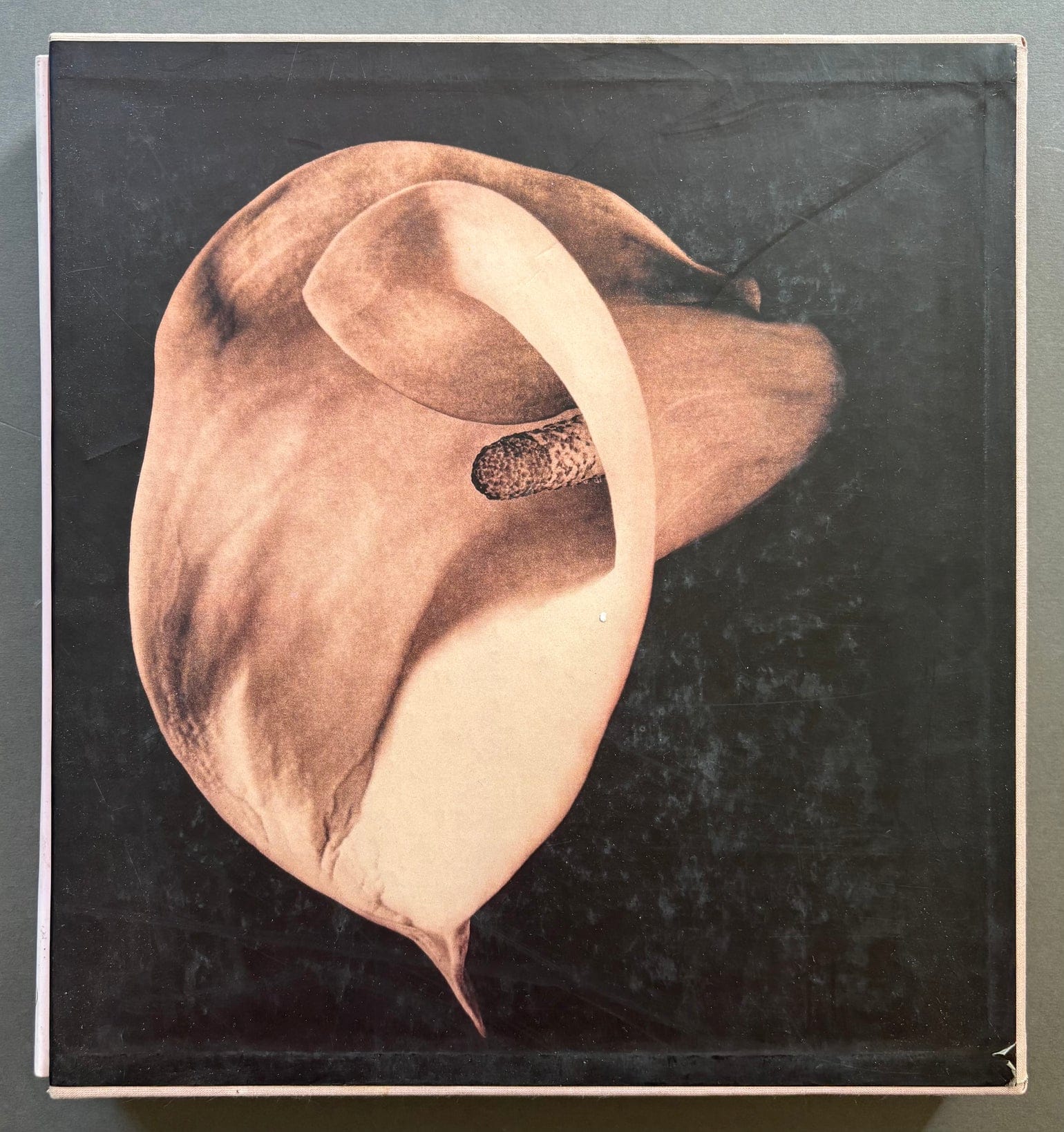
I ran across an interesting essay the poet John Ashbery wrote as an introduction to Robert Mapplethorpe's Pistils, in “Something Close to Music,” an eclectic collection of essays and playlists from David Zwirner's ekphrasis series (I highly recommend).
It's a great essay all around (Ashbery did a lot of art criticism), but a couple things to point out:
“...he would insist on on his indifference to or even dislike of flowers...partly rooted in sympathy; he doesn't want the responsibility for their dying. This scarcely jibes with the image of Mapplethorpe as a calculating explorer of his subjects. It does, however, coincide with his fanatical concern with perfection (‘I'm not after imperfections’) and his equally obsessive horror of decay and death.”
And:
Mapplethorpe was “...not a voyeur This statement can seem strange coming from the photographer of scabrous sexual vignettes...but in fact it isn't: the silent ‘trust’...as a vital ingredient of these exchanges between model and photographer is always implied. Even when not entirely immobilized, the figures have an iconic seriousness that is moving, regardless of the supposed squalor of the sex acts being recorded.”
I think that last point may be a bit generous to Mapplethorpe, because I feel as though he veered toward objectifying his subjects.
Photographers/Photographs Discovered/Rediscovered



Videos
Graeme Williams creates excellent videos about photographers and their work. Here he looks to some work of his own working close to home in relation to other's similar work.
In 1974, the New York photographer began an unusual experiment: mailing his camera to a random stranger chosen from the phone book (remember those?). The camera came with simple instructions: photograph yourself, your family, and friends, then send the camera back with the name of another person for it to visit next. Over two years, the camera passed through 150 people in 36 states from Hawai'i to the Bronx.
The project became a shared portrait of the country, showing its size, diversity, and everyday life through many different perspectives rather than just Ohara's point of view.
Link to Exhibit: Whitney Museum