Down the Rabbit Hole: Week 6, 2026
updated throughout the week: Meatyard, Mapplethorpe, Ohara, and others
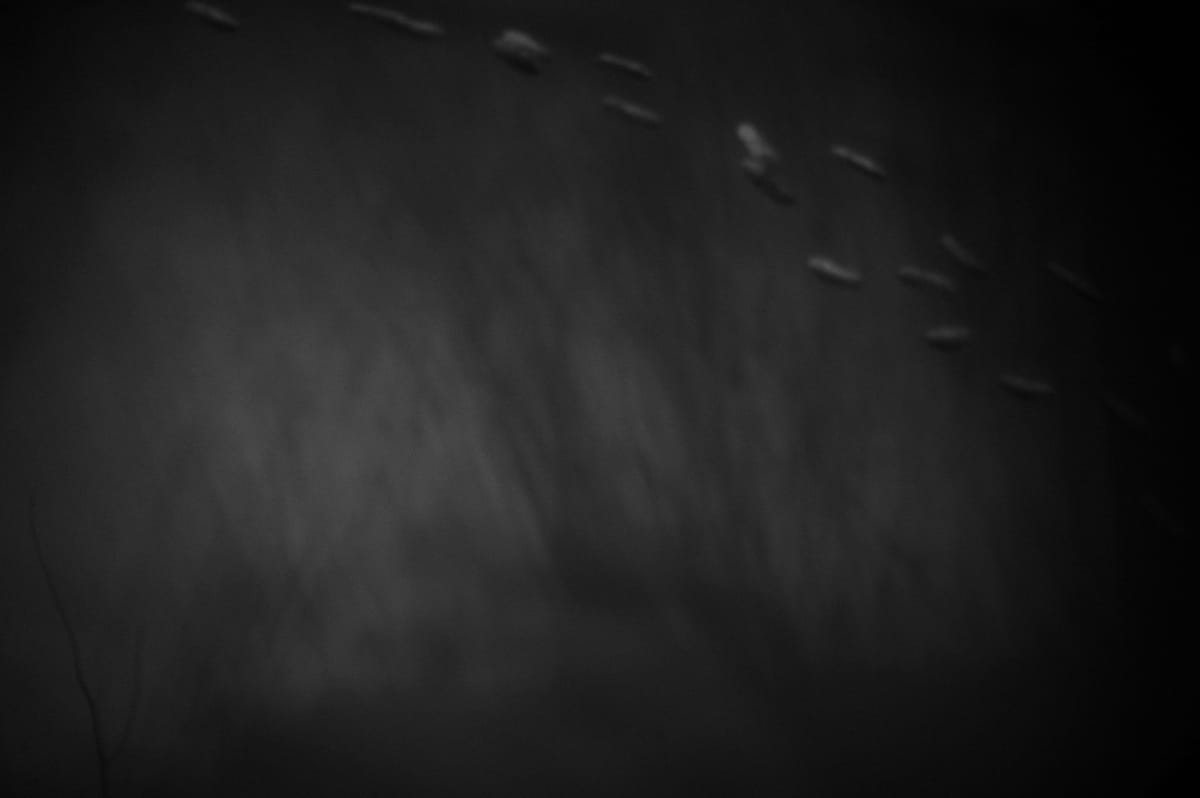
Gene Meatyard
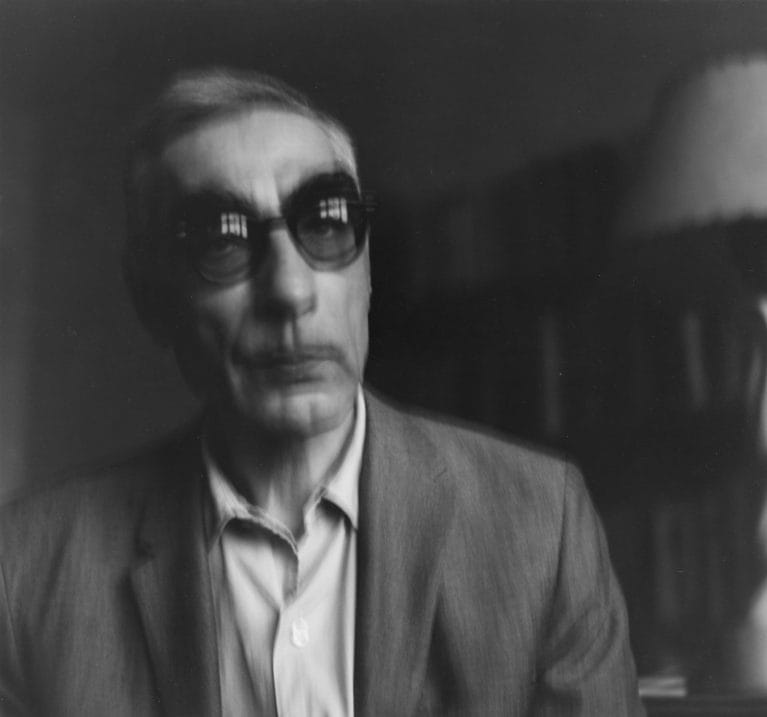
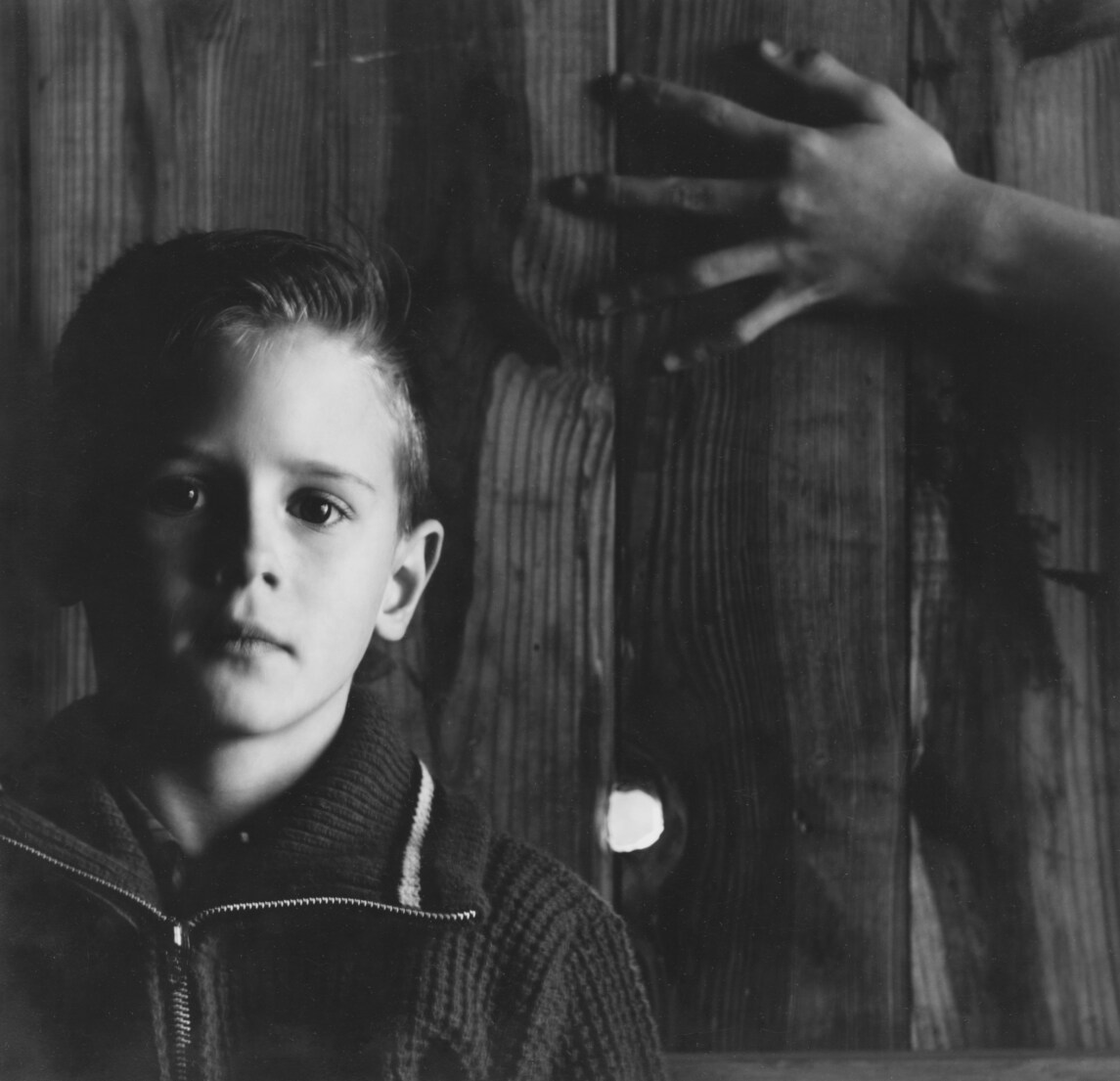
Last week I made a self-portrait with a mask. It was really a spontaneous effort, because I think about masking as a tactic to get through being with other humans. Our teacher, Janelle Lynch, suggested I look at Ralph Eugene Meatyard's mask work, which I did. I really love his work and found that he also (like me) loved poetry and photographed poets, like this one of Louis Zukofsky (source).
I also saw reference to his friend Guy Davenport who was such an incredible polymath of a writer, so I dug out my copy of The Geography of the Imagination, and whadayaknow, I found an essay simply called “Ralph Eugene Meatyard:”
“Usually he photographed people in so casual a manner that one did not know he was at work. I can remember three wonderful conversations...which were recorded in this way. Gene never dropped out of the talk to find an angle, never asked anyone to pose. The camera was simply there. And afterwards, the pictures.”
And this, apropos of nothing other than I like it, and maybe even identify with it:
“And there was nothing behind him, nothing at all that one could make out. He had invented himself with his family's full cooperation...But he had no past. His own past had no interest whatever for him. Tomorrow morning was his great interest.”

Mapplethorpe
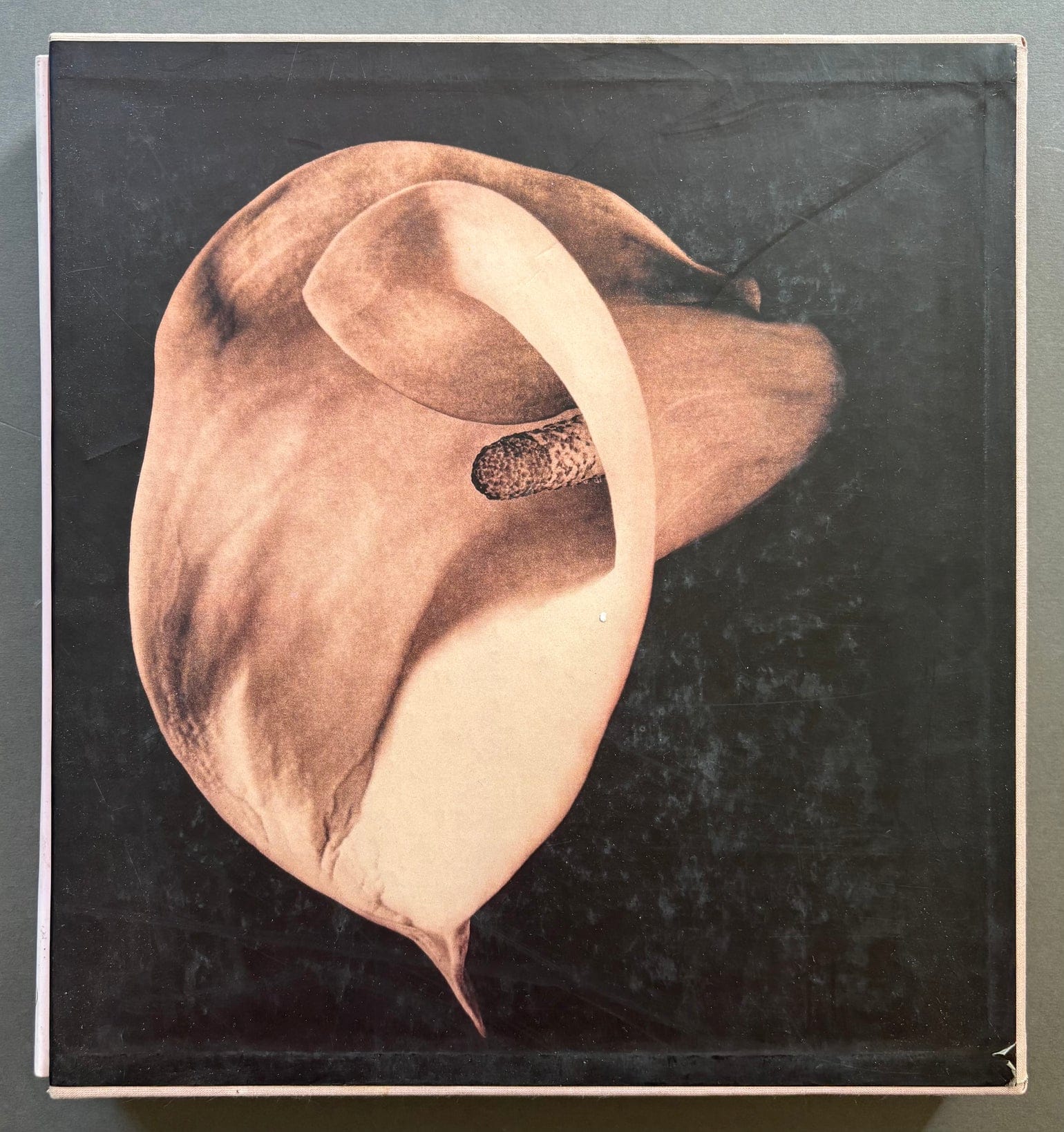
I ran across an interesting essay that the poet John Ashbery wrote as an introduction to Robert Mapplethorpe's Pistils, in “Something Close to Music,” an eclectic collection of his essays and playlists from David Zwirner's ekphrasis series (I highly recommend).
It's a great essay all around (Ashbery did a lot of art criticism), but a couple things to point out:
“...he would insist on on his indifference to or even dislike of flowers...partly rooted in sympathy; he doesn't want the responsibility for their dying. This scarcely jibes with the image of Mapplethorpe as a calculating explorer of his subjects. It does, however, coincide with his fanatical concern with perfection (‘I'm not after imperfections’) and his equally obsessive horror of decay and death.”
I respond to that because I feel the exact opposite, subscribing more to the ideas of wabi-sabi.
And this:
Mapplethorpe was “...not a voyeur. This statement can seem strange coming from the photographer of scabrous sexual vignettes...but in fact it isn't: the silent ‘trust’...as a vital ingredient of these exchanges between model and photographer is always implied. Even when not entirely immobilized, the figures have an iconic seriousness that is moving, regardless of the supposed squalor of the sex acts being recorded.”
I think that last point may be a bit generous to Mapplethorpe, because I feel as though he veered toward objectifying his subjects.
Photographers/Photographs Discovered/Rediscovered


Magnum
President of the Magnum Foundation, Susan Meiselas, explores the history of Magnum Photos’ exhibitions and the evolving role of photographers within them.
Graeme Williams creates excellent videos about photographers and their work. Here he looks to some work of his own working close to home in relation to other's similar work.
Ken Ohara Exhibit
In 1974, the New York photographer began an unusual experiment: mailing his camera to a random stranger chosen from the phone book (remember those?). The camera came with simple instructions: photograph yourself, your family, and friends, then send the camera back with the name of another person for it to visit next. Over two years, the camera passed through 150 people in 36 states from Hawai'i to the Bronx.
The project became a shared portrait of the country, showing its size, diversity, and everyday life through many different perspectives rather than just Ohara's point of view.
Link to Exhibit: Whitney Museum